July 30, 2026
Discover the hidden strategies that local drywall contractors use to achieve flawless and seamless surfaces in residential and commercial spaces. Achieving a pristine drywall finish involves far more than applying tape and mud; it requires an intimate understanding of structural framing, material behavior, precision measuring, and specialized finishing techniques. Expert local drywall contractors combine high-grade materials with refined hand skills to create pristine, flat walls that stand the test of time. Understanding these insider techniques elevates your knowledge of interior construction and highlights the immense skill required to produce smooth, durable wall surfaces across any renovation or new build.
contr
Understanding the Basics of Drywall Installation
Flawless finishes begin long before the first layer of joint compound is applied. Experienced local drywall contractors know that selecting the correct panel type is critical for long-term structural success. Standard panels suit living areas, while moisture-resistant greenboard and cement board protect wet environments like bathrooms. Fire-rated Type X drywall and high-density soundproofing panels serve specialized safety and acoustic needs.
Accurate measuring and precision cutting minimize gaps between panels. Using T-squares, sharp utility knives, and laser guides, contractors ensure tight panel butt joints. Securing panels correctly requires finding studs and countersinking drywall screws slightly below the paper surface without tearing the protective face paper. Utilizing specialized tools like drywall lifts, panel routers, and dimpler bits streamlines installation while avoiding surface bulges. When dealing with warped studs or out-of-plumb framing, professional installers use wooden shims and structural adhesives to level the wall surface, ensuring a perfectly flat foundation for taping.
Mastering the Art of Taping and Mudding
The secret to invisible seams lies in mastering joint tape and joint compound application. Professional local drywall contractors select specific paper tapes for crisp flat seams, perforated mesh for repairs, and flexible structural tapes for inside corners. Compound selection is equally critical: setting-type "hot mud" provides rapid curing and structural strength for fill coats, while lightweight all-purpose compound delivers a smooth, easy-to-sand finish for top coats.
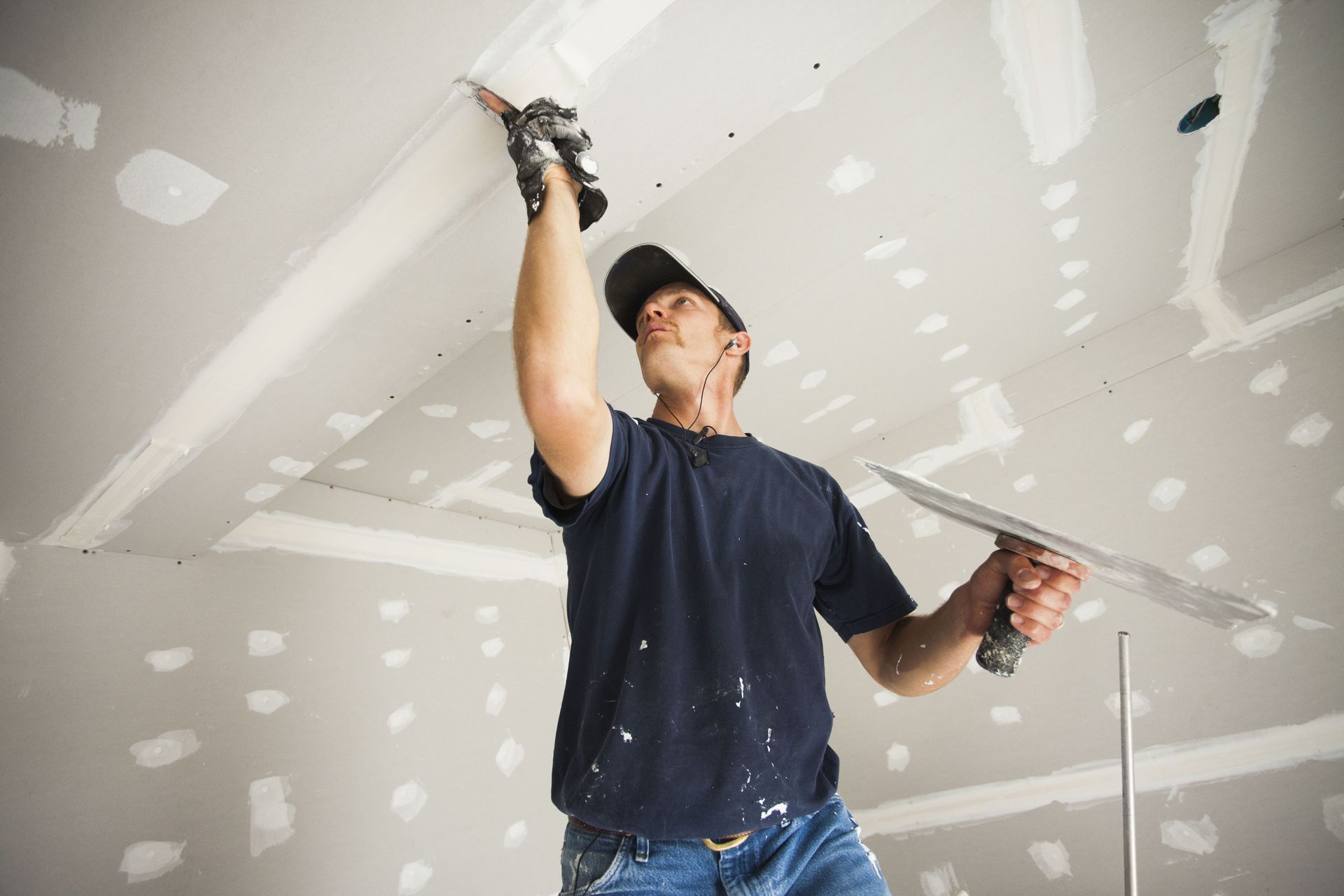
Applying compound involves progressive layering. Contractors apply a thin bed of mud, embed the tape firmly to eliminate trapped air bubbles, and apply a light cover coat. After proper drying, subsequent coats are feathered outward using increasingly wider taping knives, spreading from a six-inch knife up to a fourteen-inch trowel. Perfecting seam coverage requires gentle pressure on the outer edge of the knife to blend compound into the bare paper. Crisp inside and outside corners are achieved using specialized corner trowels and high-impact corner beads, resulting in sharp, durable edges that resist impact and cracking.
Achieving the Perfect Finish: Sanding Techniques
Sanding transforms feathered joint compound into a silky, continuous plane. Skillful contractors start with a medium grit sandpaper (around 120 to 150 grit) to level ridges, then transition to fine 220 grit paper or sanding sponges for final smoothing. Hand sanders and pole sanders allow technicians to apply light, uniform pressure in smooth circular motions, preventing gouges or deep scratches.
Dust control is vital for maintaining healthy air quality and protecting finished surfaces. Contractors use wet-sanding sponges or dustless vacuum sanding attachments to capture fine particles at the source. Critical surface inspections are conducted using raking light—shining a high-lumen work light parallel to the wall to expose minor shadows, hollows, or pinholes. To prevent over-sanding, which can tear the protective paper face and ruin the finish, tradesmen stop sanding as soon as the compound edge seamlessly merges with the panel surface.
Tools and Technologies for Superior Results
Modern advancements in tool technology have elevated the speed and quality of interior wall finishing. Automatic taping tools, known as "bazookas," simultaneously dispense paper tape and the correct amount of compound, dramatically speeding up seam coverage. Running boxes and corner finishers automatically apply uniform compound layers over flat seams and angle joints, eliminating human error.
Laser levels project perfectly plumb and level reference lines across expansive rooms, eliminating guesswork during panel layout. Furthermore, dustless sanding systems connected to HEPA vacuum units maintain clean job sites, protecting homeowner health during interior renovations. Digitized estimating software and job management apps allow local drywall contractors to accurately calculate material needs, reducing job site waste and ensuring projects stay strictly on schedule and within budget.
Standard Finish Levels 0 Through 5
Clear communication regarding finish expectations relies on established industry standards set by the Gypsum Association (GA-214). Professional local drywall contractors evaluate every project against these standardized levels to ensure the final finish matches the intended decorative coating:
- Level 0 (Unfinished): Drywall panels are attached to structural framing without tape, compound, or accessories.
- Level 1 (Fire Taping): Joint tape is embedded in compound over seams, leaving tool marks and ridges visible. Used in concealed areas like attics or service shafts for basic fire safety.
- Level 2 (Substrate Base): Seams receive a thin cover coat, and fastener heads are covered once. Ideal as a substrate behind heavy tile work.
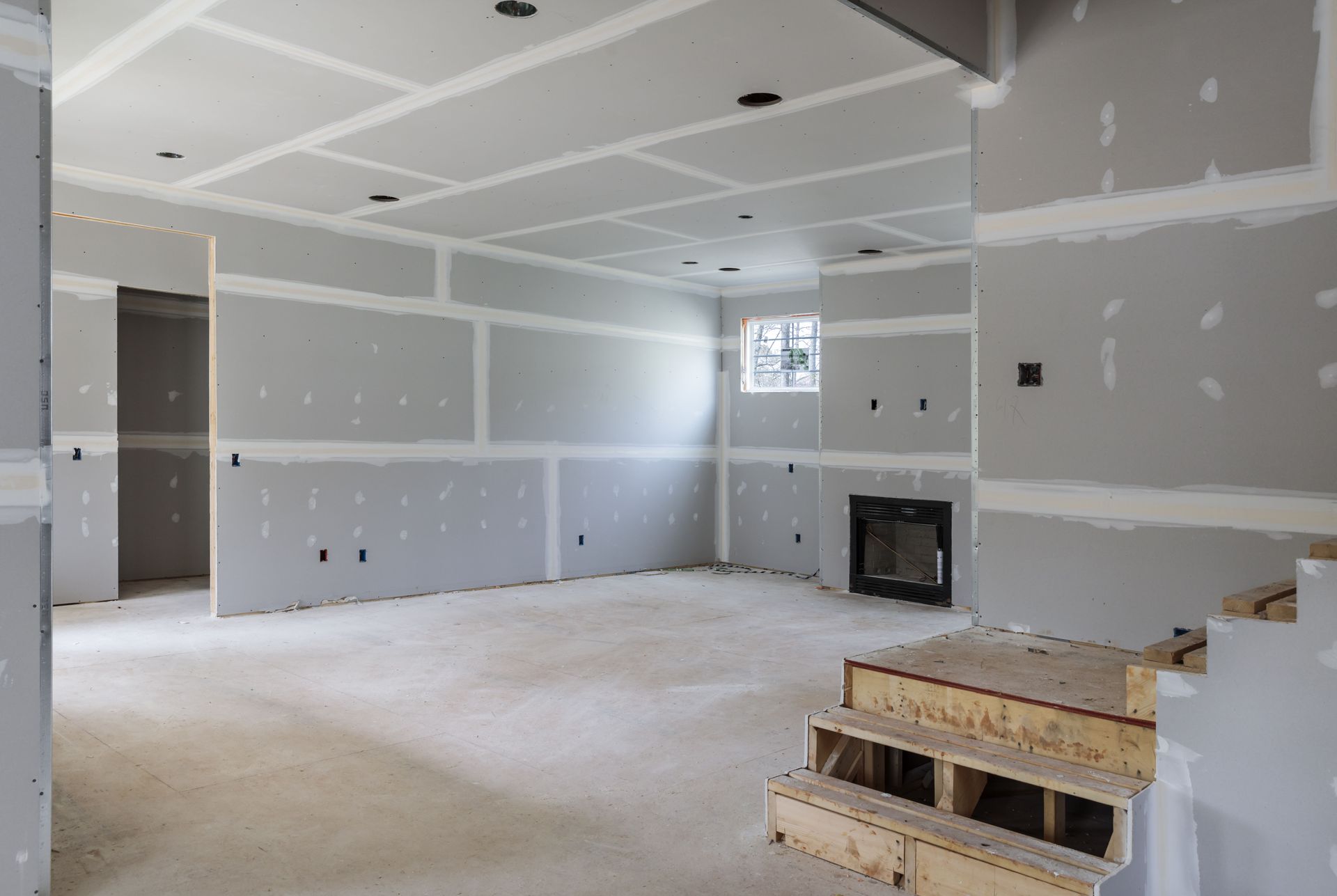
- Level 3 (Textured Base): Joint tape is covered with two coats of compound. Serves as a base for heavy spray textures or thick wall coverings.
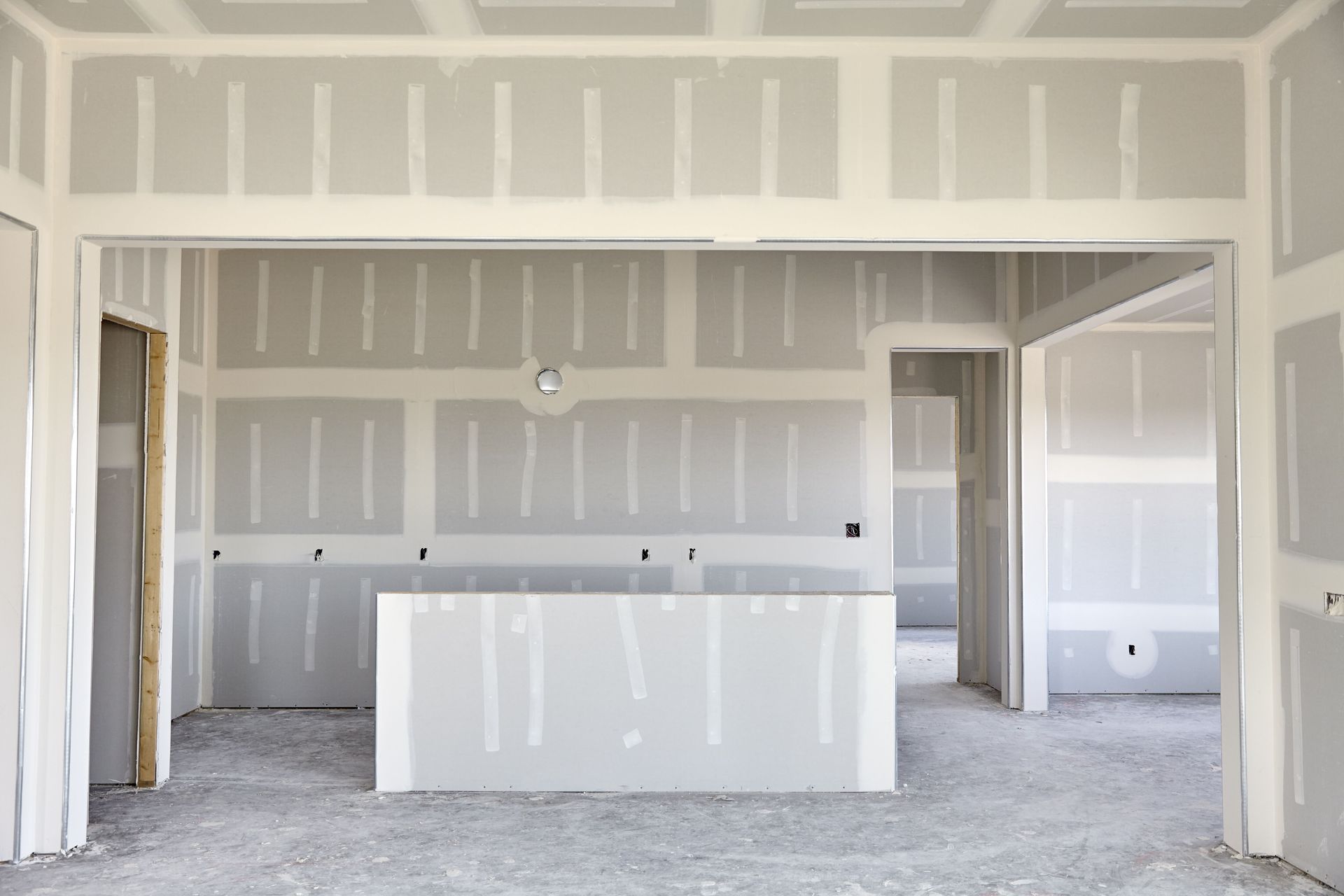
- Level 4 (Standard Residential): Seams and fasteners receive three separate coats of compound, sanded to a smooth finish. This is the standard finish for residential walls painted with flat or satin paints.
- Level 5 (Premium Skim Coat): In addition to Level 4 treatment, a continuous thin skim coat of compound is applied over the entire board surface. This eliminates texture and absorption differences between paper and compound, which is mandatory under high-gloss paints or harsh directional lighting.
Advanced Techniques for Difficult Surfaces
Challenging architectural features require specialized installation strategies. Curving walls and custom barrel arches demand flexible 1/4-inch drywall panels, which installers score, dampen, or gently bend over curved framing without snapping the gypsum core. For seamless drywall repair, contractors cut out damaged sections, install wood backing blocks, secure a matching patch, and feather the perimeter joints across a wide radius to blend the repair invisibly into the surrounding wall.
In humid basements and bathrooms, contractors rely on specialized moisture-resistant compounds, fiberglass-faced panels, and proper ventilation strategies. According to Energy Star, homeowners can save 15% on heating and cooling costs by adding insulation in attics, floors over crawl spaces, and basements. Combining proper insulation with moisture-sealed drywall creates an energy-efficient, mold-resistant living space. For acoustic control, contractors install double-layered drywall separated by resilient sound-isolation clips and acoustical sealant. Finally, hand-applied textures like knockdown, orange peel, or skip-trowel finishes provide distinctive aesthetic appeal while concealing minor framing imperfections.
Maintaining Seamless Surfaces Over Time
Preserving smooth drywall requires periodic maintenance and proactive environmental controls. Homeowners should inspect walls annually for stress cracks near door frames and windows, which often indicate natural foundation settling. Settlement cracks are repaired by clearing loose debris, applying self-adhesive mesh tape, and recoating the area with flexible joint compound.
Long-term protection against moisture intrusion requires maintaining balanced indoor humidity levels between 30% and 50% using exhaust fans and dehumidifiers. High-quality interior primers and washable latex paints add a durable protective barrier, safeguarding compound layers from scuffs, moisture absorption, and minor impacts. Adding decorative trim like crown molding or wainscoting protects lower wall surfaces while elevating interior style. When major renovations or pristine smooth walls are needed, partnering with trusted local drywall contractors guarantees beautiful, long-lasting results. For expert craftsmanship, custom wall finishes, and flawless installations, trust the proven specialists at J.R. Drywall & Designs by Steff.